Residents in Stone Mountain’s Pepperwood neighborhood say DeKalb County’s sanitation trucks have been mixing trash and recycling together.
DeKalb County’s independent auditor has announced plans to investigate why the county is collecting less curbside recycling than it did in the past.
The investigation comes after The Atlanta Journal-Constitution reported that sanitation crews were seen mixing trash and recycling, sparking questions from county commissioners who on Tuesday accused county officials of not taking resident complaints about commingling seriously.
“We’re gaslighting them,” Commissioner Ted Terry said. “We’re telling them: ‘What you saw is not what you saw.’”
Auditor Lavois Campbell, who heads the county’s independent auditing office, told commissioners that preliminary data indicates the decrease in DeKalb’s recycling collection is an outlier. DeKalb is picking up about half as much recycling as it used to while the amounts are steady in other nearby counties.
Campbell said his office wouldn’t be able to determine exactly why that is until the audit is complete in about two months. The independent internal auditing office is authorized under state law to investigate the county’s operations and works independently of the chief executive and county commissioners.
Terry and other commissioners said they welcome an audit and hope it will get to the bottom of what’s been a source of frequent complaints from residents. Commissioner Lorraine Cochran-Johnson said trying to get answers about what’s going on has been frustrating. Staff have consistently said there aren’t problems with pickups despite the reports from residents, she said.
But the county also hasn’t been able to explain why DeKalb is collecting less recycling — approximately 6,000 tons of recycling last year compared to about 14,500 tons in 2020. The commissioners’ worry is that the decline is because recycling is being treated like trash.
“We’re gaslighting them,” Commissioner Ted Terry said. “We’re telling them: ‘What you saw is not what you saw.’”
Auditor Lavois Campbell, who heads the county’s independent auditing office, told commissioners that preliminary data indicates the decrease in DeKalb’s recycling collection is an outlier. DeKalb is picking up about half as much recycling as it used to while the amounts are steady in other nearby counties.
Campbell said his office wouldn’t be able to determine exactly why that is until the audit is complete in about two months. The independent internal auditing office is authorized under state law to investigate the county’s operations and works independently of the chief executive and county commissioners.
Terry and other commissioners said they welcome an audit and hope it will get to the bottom of what’s been a source of frequent complaints from residents. Commissioner Lorraine Cochran-Johnson said trying to get answers about what’s going on has been frustrating. Staff have consistently said there aren’t problems with pickups despite the reports from residents, she said.
But the county also hasn’t been able to explain why DeKalb is collecting less recycling — approximately 6,000 tons of recycling last year compared to about 14,500 tons in 2020. The commissioners’ worry is that the decline is because recycling is being treated like trash.
“No one at this point can explain the inconsistency,” Cochran-Johnson said.
While recycling has gone down, the amount of trash headed to the landfill has gone up. Recycling collections this year are on track to match last year’s totals.
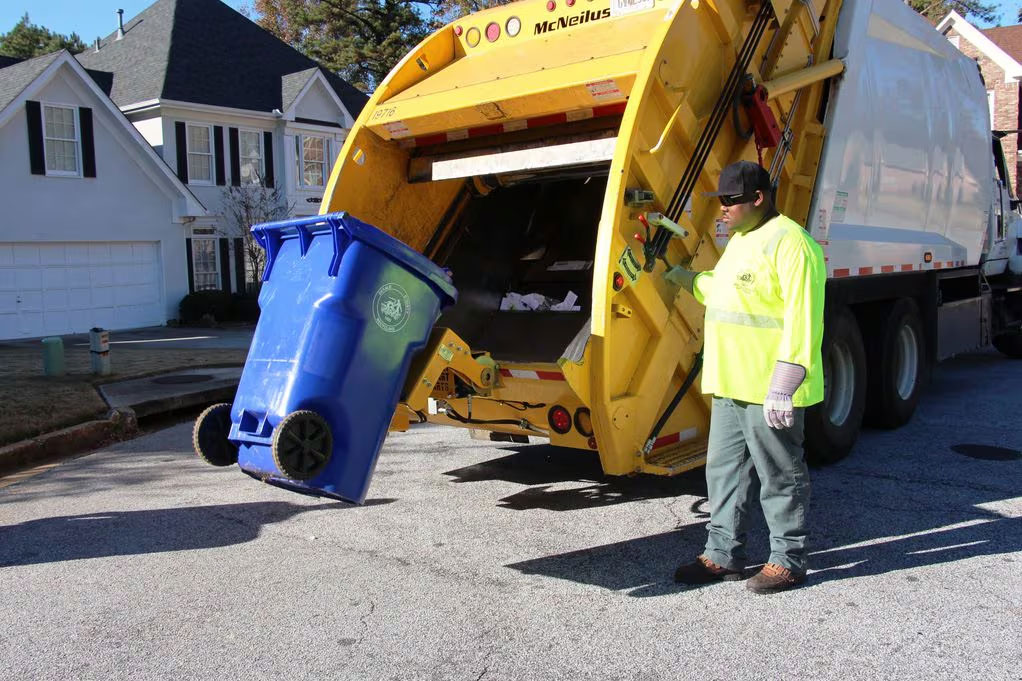
A DeKalb County sanitation worker empties a trash bin. SPECIAL PHOTO
More than 115,000 homes throughout DeKalb participate in the county’s recycling program. Recycling is included as part of annual sanitation assessment fees but residents must opt in for pickup.
The county documented just one complaint about recycling issues since the start of 2022, according to reports obtained through a public records request. But at least one other resident said she’s made multiple calls to report issues, and her complaints were not documented.
The complaint that was recorded came from a Stone Mountain resident in September 2022. The woman said she was not happy her recycling was being picked up with trash. She also reported an instance where her recycling was not picked up at all.
The woman lives in the same zip code as multiple other Stone Mountain residents who previously told the AJC they routinely see trucks mix recycling and trash, including the woman whose complaints weren’t recorded. Jewel Allen told the paper she made several calls this year between February and September.
In September, the AJC observed a sanitation crew mixing trash and recycling along Fourth Street in Stone Mountain. The county said it was adding a second crew to the area in response to the reports of commingling from residents and the newspaper. Previously, one crew serviced the area and was supposed to run its route three times: once for trash, once for recycling and once for yard waste.
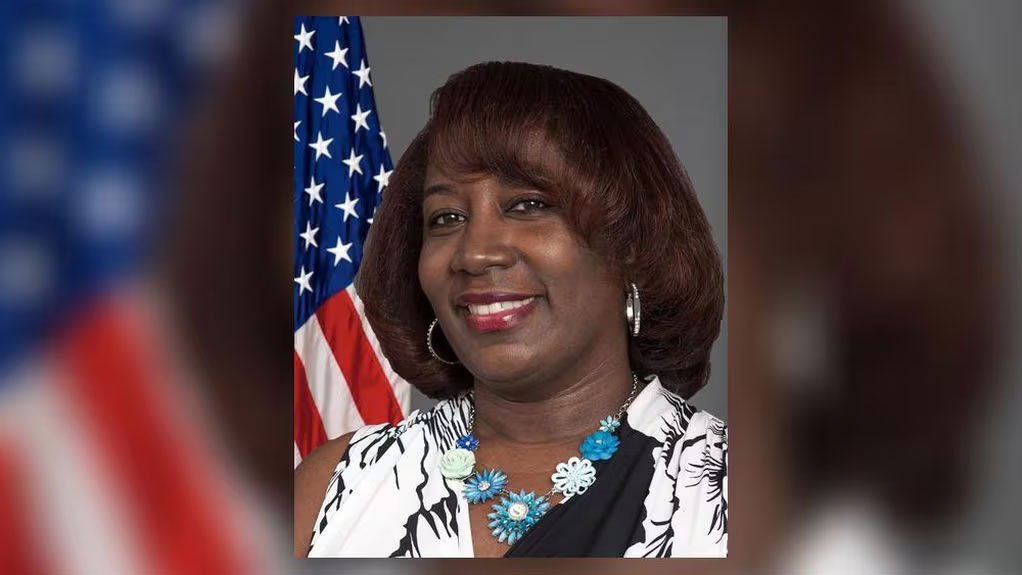
DeKalb County sanitation director Tracy Hutchinson
Sanitation Director Tracy Hutchinson told commissioners Tuesday that her office is taking steps to figure out why recycling has declined. She said she’s now tracking trucks that are assigned to recycling pickup and weighing how much is being collected daily. Drivers dropping off recycling have to take additional steps now to verify it’s going to the right place once arriving at the county’s transfer station, according to Hutchinson.
Hutchinson also said she also met last week with Pratt Industries, the county’s recycling processor, to check whether they’re accurately weighing what the county delivers. DeKalb pays Pratt by the ton. Hutchinson said Pratt’s data matches her own, indicating that whatever recycling comes into the transfer station is being taken to Pratt for processing.
Terry said the checks at the transfer station are good but don’t address what residents are identifying as the problem. If recycling is thrown into a truck alongside trash, it wouldn’t be accounted for at the county’s transfer station. Recycling can’t be separated from landfill waste at that point.
“I think we just have to go from the very beginning, curbside, all the way through the process,” he said.